
Boost Your Career with Online IT Certification Training
Welcome to MindMesh Academy, where we believe in empowering IT professionals like you to navigate the rapidly evolving tech landscape. In today's dynamic world, an online IT certification is more than just a credential; it's your strategic advantage, a direct line to the specialized skills companies are actively seeking. These certifications offer a focused, verifiable pathway to expertise in high-demand domains like cloud computing, cybersecurity, and data science.
Designed for ambitious individuals, these programs provide the flexibility to acquire new skills without disrupting your current career or personal life. Whether you're looking to pivot into a new tech role or climb the ranks in your existing one, online certification training provides a powerful, efficient solution.
Your Launchpad Into a Thriving Tech Career
For generations, a traditional four-year degree was the undisputed gateway to a successful professional career. While a robust academic foundation remains incredibly valuable, the technology sector's blistering pace demands continuous, specialized skill acquisition. This is precisely where online IT certification training becomes indispensable—it's a targeted, efficient method to build the exact competencies required for specific, in-demand job roles.
Consider the difference: pursuing a comprehensive degree in aeronautical engineering provides broad knowledge, but obtaining a certification to pilot a commercial drone immediately qualifies you for a precise, operational role. Similarly, while a degree offers foundational understanding, an IT certification hones in on practical, hands-on expertise, such as managing robust cloud infrastructures on Amazon Web Services or implementing advanced threat detection protocols to secure an enterprise network.
Why Certifications Matter More Than Ever
In today's competitive job market, employers aren't just looking for potential; they want demonstrable proof that you can hit the ground running. An industry-recognized certification from a leading authority like CompTIA, Cisco, or Microsoft serves as precisely that—a trusted, objective validation of your mastery over a specific technology or methodology. It's a powerful signal that tells a hiring manager you possess the requisite skills and are ready to contribute from day one.
This demand for verifiable skills is fueling the exponential growth of the online learning industry. The global market for professional online certificates is experiencing a massive upward trend, with millions of professionals investing in these programs to sharpen their abilities and significantly boost their career prospects. You can delve deeper into the statistics of the online certification market on Statista.com. This isn't a fleeting trend; it represents a fundamental shift in how professional skills are acquired, valued, and recognized.
An IT certification transcends a mere certificate of completion; it is verifiable, industry-recognized proof of your expertise. It unequivocally demonstrates to potential employers that you have not only diligently learned the material but have also successfully passed a rigorous, standardized examination to validate your practical competency.
This level of validation is a game-changer for several key professional demographics:
- Career Changers: It provides a clear, accelerated, and structured pathway into the tech industry, often without the need to commit to another multi-year degree program.
- Current IT Professionals: It’s an ideal mechanism to specialize in emerging technologies, refresh existing skill sets, and gain the credentials necessary to qualify for more senior or specialized roles, like an AWS Solutions Architect or a Microsoft Azure Administrator.
- Recent Graduates: It powerfully augments academic degrees with practical, job-ready skills, making your resume stand out significantly in a crowded entry-level applicant pool.
Ultimately, committing to an online IT certification training program is a strategic, forward-looking investment in your career's long-term flexibility, earning potential, and resilience in a constantly evolving tech landscape.
So, What Exactly is Online IT Certification Training?
 Fig 1: Focused study is key to mastering complex IT concepts.
Before you embark on this journey, it's crucial to have a precise understanding of what online IT certification training truly entails. It is far more than passively consuming video content. Envision it as a highly focused, meticulously structured educational program with a singular, powerful objective: to thoroughly prepare you to successfully pass a specific, official, and industry-recognized certification exam.
Think of it as an intensive flight school. You're not merely memorizing aviation regulations from a textbook. You're getting into a flight simulator, practicing complex maneuvers, navigating challenging weather conditions, and learning emergency procedures with an experienced instructor guiding every step. The ultimate goal isn't just to understand how to fly; it's to pass the official pilot's test and prove you are a competent, safe, and certified aviator. Online IT certification training mirrors this process exactly for your tech career, ensuring you're not just knowledgeable but demonstrably capable.
Certification vs. Certificate: A Crucial Difference
Let’s address one of the most common points of confusion immediately: the distinct difference between a "certificate of completion" and an "industry-recognized certification." Grasping this distinction is absolutely critical for effectively positioning yourself in the job market.
A certificate of completion is typically issued by a training platform or course provider after you finish their specific curriculum. While it acknowledges your effort and participation, it generally holds limited weight with discerning hiring managers, as it doesn't represent an independent validation of your skills against an industry benchmark.
An industry-recognized certification, however, is the veritable gold standard. This is a credential you earn by successfully passing a standardized, proctored exam administered by a major, respected authority within the tech world. These organizations are the very entities that establish and uphold the global standards for the entire industry.
- Vendor-Neutral Authorities: Consider organizations like CompTIA. Their certifications, such as the CompTIA A+ for foundational IT or CompTIA Security+ for core cybersecurity skills, validate competencies that are universally applicable across various technologies and platforms, rather than being tied to a single vendor's products.
- Vendor-Specific Authorities: These are the tech behemoths themselves—Amazon Web Services (AWS), Cisco, and Microsoft. Their certifications, like the AWS Certified Solutions Architect or Microsoft Certified: Azure Administrator Associate, definitively prove your expert-level proficiency in their specific products, services, and ecosystems.
When you successfully earn one of these official certifications, it's akin to receiving an authoritative stamp of approval directly from the industry itself. It communicates to employers that your skills have been rigorously measured and independently verified against a global benchmark, which is precisely what they value most.
The Anatomy of a Great Online Training Program
So, what essential components should you seek within a top-tier online IT certification training program? The most effective programs do not simply deliver information; they meticulously integrate diverse learning tools and methodologies to foster a deep, practical understanding that endures. They are strategically designed to equip you with both the theoretical knowledge ("book smarts") and the hands-on practical abilities ("chops") essential for real-world success.
An truly effective training program extends beyond teaching you how to pass the test. Its core mission is to cultivate the foundational competence and sophisticated problem-solving skills that empower you to confidently apply your knowledge in complex, real-world IT scenarios.
A robust program will almost invariably incorporate a dynamic blend of these key elements:
- Engaging Video Lectures: Delivered by subject matter experts, these lectures systematically break down complex subjects into digestible, easy-to-follow video lessons. They often include demonstrations and real-world context crucial for understanding application.
- Hands-On Virtual Labs: This is where theoretical knowledge transforms into practical skill. Virtual labs provide a safe, sandboxed environment for you to actively engage with real software and systems. You can build networks, deploy cloud servers, configure security settings, or practice troubleshooting scenarios without any risk to live environments or the need for expensive hardware investments.
- Rigorous Practice Exams: High-quality practice tests are an absolute game-changer. They should meticulously replicate the experience of the actual certification exam, featuring the same question formats (e.g., multiple-choice, drag-and-drop, performance-based), time limits, and difficulty levels. This ensures you develop both content mastery and test-taking endurance, allowing you to walk into the testing center with genuine confidence.
- Instructor and Community Access: Encountering challenges is an inherent part of the learning process. Having direct access to expert instructors for clarification and a vibrant community of fellow students via forums or live Q&A sessions is invaluable for clarifying doubts, receiving personalized feedback, and maintaining motivation throughout your study journey.
When these components are thoughtfully integrated and work in synergy, they create a comprehensive learning ecosystem that not only prepares you to excel on an exam but, more importantly, equips you with the practical skills and confidence needed for the demanding job that follows.
Navigating the Most In-Demand IT Certification Paths
Choosing an IT certification path can feel like standing at a massive crossroads, with signs pointing toward a multitude of career destinations, each promising unique skills, challenges, and rewards. The critical task is to align your genuine interests and career aspirations with a certification that authentically unlocks the doors to your desired professional future.
Consider it akin to selecting a medical specialty. You could become a highly skilled surgeon, a compassionate pediatrician, or a meticulous radiologist. While all are esteemed medical professionals, their day-to-day responsibilities, required expertise, and the types of problems they solve are profoundly different. The same holds true in IT—you have distinct, high-growth domains, and the pivotal first step is identifying the one that ignites your passion and motivation for continuous learning.
Let’s systematically explore some of the most popular and genuinely valuable career pathways you can pursue with online IT certification training, empowering you to make an informed and confident decision about your professional trajectory.
Cloud Computing: Your Career in the Sky
Cloud computing is no longer merely a buzzword; it is the fundamental engine powering the modern digital economy. From agile startups to vast multinational corporations, virtually every organization relies on cloud platforms to host critical applications, store massive datasets, and run complex services. This ubiquitous reliance has created an unprecedented demand for skilled professionals who can expertly design, manage, and secure these intricate, dynamic environments.
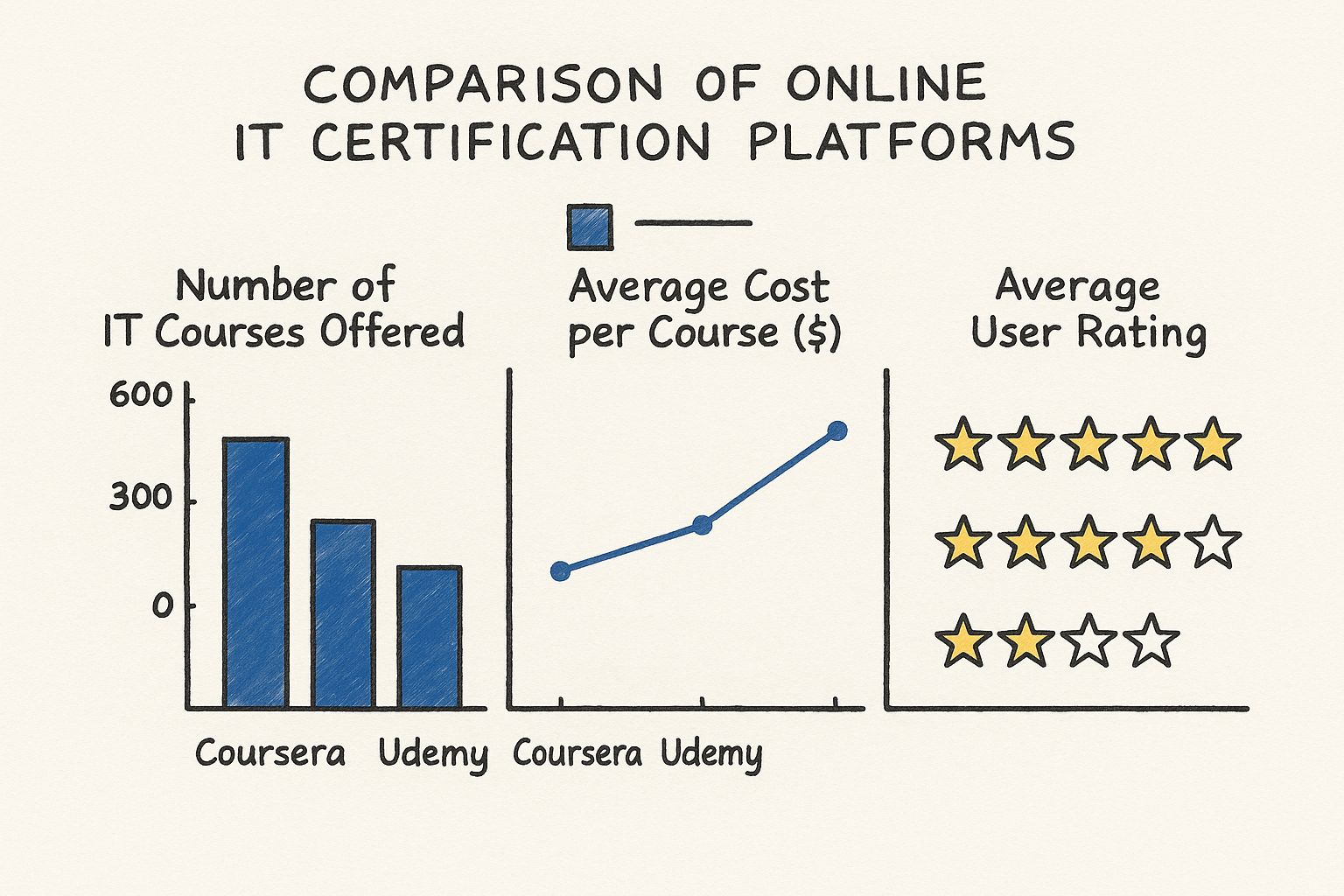 Fig 2: The complex web of cloud computing requires specialized expertise to manage and secure.
Within the cloud landscape, two titans predominantly lead the field, and their certifications are among the most coveted credentials you can earn:
- Amazon Web Services (AWS): As the undisputed global market leader in cloud services, AWS certifications are incredibly valuable. The AWS Certified Solutions Architect - Associate is often considered a premier starting point. It equips you with the knowledge and skills to design and deploy scalable, highly available, and fault-tolerant systems on the world's most extensive cloud platform, focusing on services like EC2, S3, VPC, and RDS.
- Microsoft Azure: A formidable contender, Azure is a powerhouse, especially prevalent within the enterprise and corporate sectors. Earning a Microsoft Certified: Azure Administrator Associate certification validates your proficiency in managing core Azure services, encompassing virtual machines, storage accounts, virtual networks, and identity management within the comprehensive Azure ecosystem.
If you possess a knack for holistic systems thinking, enjoy architecting robust digital infrastructure, and thrive on building resilient, scalable solutions, a cloud certification is an exceptionally strategic career move.
Cybersecurity: Defending the Digital Frontier
In an era defined by relentless digital threats and sophisticated attacks, cybersecurity professionals stand as the indispensable guardians of our most sensitive data, critical infrastructure, and digital assets. This field is less about building new systems and entirely about protecting them. It demands a unique mindset—one that is perpetually vigilant, proactively identifying vulnerabilities, and constantly thinking several steps ahead of potential adversaries.
The demand for highly skilled cybersecurity experts is skyrocketing. The global market for these certifications was valued at approximately $4.46 billion in 2025 and is projected to surge to an astounding $14.18 billion by 2035, exhibiting an impressive compound annual growth rate (CAGR) of 12.26%. This growth underscores the critical need for qualified professionals in this domain.
Popular entry points and advanced pathways include:
- CompTIA Security+: This foundational certification is a widely recognized prerequisite for almost any cybersecurity career. It's vendor-neutral, providing a solid, comprehensive overview of core security concepts, network security infrastructure, threat and vulnerability management, and risk mitigation strategies.
- Certified Information Systems Security Professional (CISSP): Geared towards seasoned professionals with significant experience, the CISSP from (ISC)² is globally recognized as the gold standard for information security leadership. It encompasses eight domains, ranging from security and risk management to security architecture and software development security, making it a critical credential for senior and management roles.
Reflection Prompt: Given the evolving threat landscape, what aspects of cybersecurity most intrigue you? Are you drawn to proactive defense, incident response, or security architecture? Your answer can help pinpoint the right certification path.
If you possess a meticulous eye for detail, a keen analytical mind, and a deep passion for strategic defense, cybersecurity offers an intellectually thrilling and profoundly fulfilling career path.
Networking: Connecting the World
Long before the advent of ubiquitous cloud platforms and advanced cybersecurity paradigms, the foundational bedrock of all digital communication was the network. Networking professionals are the architects and custodians who design, implement, and maintain the routers, switches, cabling, and wireless connections that form the backbone of the internet and intricate corporate intranets. They ensure data flows efficiently, reliably, and securely.
The undisputed global leader in networking hardware and corresponding certifications is Cisco.
The Cisco Certified Network Associate (CCNA) remains one of the most highly respected and widely recognized entry-level IT certifications worldwide. Earning a CCNA definitively proves your foundational skills to install, configure, operate, and troubleshoot medium-sized networks, covering topics like IP connectivity, network access, security fundamentals, and automation.
This career path is an excellent fit for individuals who are logical, methodical, enjoy understanding how complex systems interconnect and communicate, and have a natural aptitude for problem-solving at the infrastructure level.
Project Management: Leading Tech Initiatives to Success
Not every vital IT role involves hands-on coding or direct hardware manipulation. Project managers are the organizational linchpins and strategic leaders who ensure that complex technology initiatives are executed on time, within budget, and to the complete satisfaction of all stakeholders. They act as the critical bridge, translating business objectives into technical deliverables and guiding development teams from conception to successful completion.
To gain insights into the earning potential across various IT roles, consider exploring our comprehensive guide on the top 10 high-paying IT certifications for 2025.
Key certifications within this vital domain include:
- Project Management Professional (PMP): The globally recognized gold standard from the Project Management Institute (PMI), the PMP is designed for experienced project managers. It rigorously validates your ability to lead and direct projects of any size and complexity across virtually any industry, demonstrating mastery of the entire project lifecycle, from initiation and planning to execution, monitoring, and closure.
- CompTIA Project+: Geared toward aspiring and entry-level project managers, Project+ covers the essential principles and skills required to manage the entire project life cycle effectively, providing a foundational understanding of project methodologies and best practices.
Comparison of Popular IT Certification Paths
Choosing the optimal career path is a significant decision. To assist you, let's present these prominent IT certification options side-by-side, detailing their primary focus, typical job roles, and potential salary ranges. This comparison aims to help you pinpoint the best fit for your skills and aspirations.
| Certification Path | Focus Area | Typical Entry-Level Job Roles | Average Salary Potential (Entry-Level) | Best For |
|---|---|---|---|---|
| Cloud Computing | Designing, deploying, and managing applications and infrastructure on leading cloud platforms (e.g., AWS, Azure, Google Cloud). | Cloud Support Associate, Junior Cloud Engineer, Cloud Administrator, DevOps Assistant | $75,000 - $110,000 | Systems thinkers who enjoy architecting and building scalable, resilient, and distributed digital infrastructure. |
| Cybersecurity | Protecting networks, systems, and data from digital threats, unauthorized access, and implementing robust security policies. | Security Analyst, Cybersecurity Specialist, Incident Response Trainee, Junior Penetration Tester | $70,000 - $100,000 | Detail-oriented problem-solvers with a strategic mindset and a passion for digital defense and threat intelligence. |
| Networking | Building, configuring, maintaining, and troubleshooting the underlying hardware and software infrastructure for data communication. | Network Technician, Junior Network Administrator, IT Support Specialist, Help Desk Analyst | $60,000 - $85,000 | Logical and methodical individuals who thrive on understanding how complex systems connect, communicate, and resolve connectivity issues. |
| Project Management | Planning, executing, and overseeing IT projects (software development, infrastructure upgrades) to ensure they meet goals on time and within budget. | Project Coordinator, Junior Project Manager, IT Project Analyst, Scrum Master (entry-level) | $65,000 - $90,000 | Natural leaders and organizers who excel at communication, risk management, stakeholder collaboration, and strategic planning. |
Ultimately, the most suitable path for you will largely depend on your innate interests, existing aptitudes, and long-term career ambitions. Utilize this comparison as a robust starting point to thoroughly explore the area that most genuinely sparks your curiosity and aligns with your professional vision.
Selecting the Right Online Training Provider
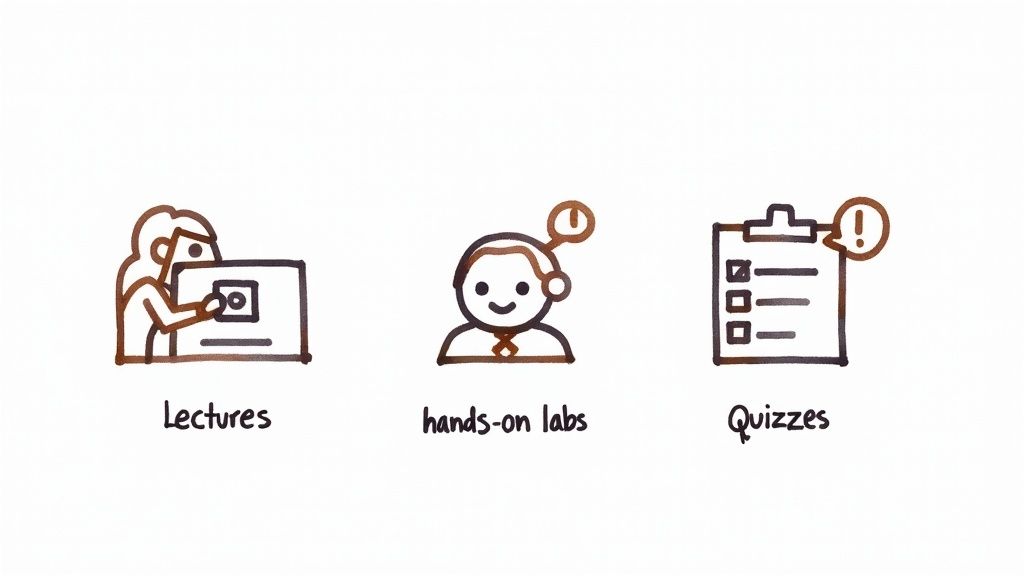 Fig 3: Choosing the right training provider requires careful consideration and research.
This decision is, arguably, the single most critical choice you will make on your certification journey. The market for online IT certification training is incredibly vast and varied, ranging from truly world-class, meticulously crafted programs to low-quality content farms. Opting for the wrong provider can result in a significant waste of your valuable time and financial resources, leaving you ill-prepared and potentially discouraged on exam day.
Think of it like purchasing a high-performance vehicle. You wouldn't make a decision based solely on its color or a catchy advertisement. Instead, you'd meticulously research the engine specifications, scrutinize safety ratings, read expert reviews, and, most importantly, take it for a comprehensive test drive. You must apply the same rigorous due diligence here—look beyond superficial marketing and critically evaluate the substance and quality offered beneath the surface.
Evaluate Instructor Expertise and Teaching Style
The caliber of the instructor can single-handedly make or break your entire learning experience. An outstanding instructor does not merely recite information from slides; they possess the invaluable ability to demystify complex technical subjects, enrich lessons with practical anecdotes from their real-world experience in the field, and genuinely transform the material into an engaging and memorable learning journey.
Before committing to a course, invest time in thoroughly researching the instructors. Look for these undeniable hallmarks of a top-notch educator:
- Verifiable Industry Experience: Do they possess actual, hands-on working experience in the specific domain they are teaching? That practical, "in-the-trenches" experience is absolutely priceless for providing real-world context and nuanced insights that a textbook alone can never convey.
- Relevant Teaching Credentials: Do they hold the exact certification they are teaching, or even more advanced credentials within that technology stack? This demonstrates their mastery of the subject matter and their commitment to the certification process itself.
- Publicly Available Content: Seek out sample videos on platforms like YouTube or directly on the provider’s website. Does their instructional style resonate with your learning preferences? Is their pace appropriate, and are their explanations clear?
Dedicate a few minutes to this upfront investigation; it can save you from the profound frustration of being locked into a course with an instructor whose teaching approach simply doesn't align with your learning style.
Verify Accreditation and Official Partnerships
In the highly specialized world of IT certifications, credibility is paramount. The most reputable and effective training providers almost invariably hold official recognition or partnerships with the major certifying bodies, such as CompTIA, AWS, Microsoft, or Cisco. This official stamp of approval signifies that the certifying authority has meticulously reviewed the provider's curriculum and confirmed that it meticulously aligns with the actual, current exam objectives.
A training provider’s official partnership status is an exceptionally strong indicator of quality and authenticity. It assures learners that the curriculum has been thoroughly vetted by the very organization that creates the exam, guaranteeing you are learning precisely what you need to know to pass and excel.
This isn't merely a decorative badge; it’s an integral component of a massive global quality control ecosystem. The Testing, Inspection, and Certification (TIC) market, valued at a staggering $255.19 billion in 2024, plays a crucial role in standardizing these training and assessment processes. This standardization is precisely what imbues your certification with global value and recognition among employers. You can explore more about the growth of the TIC market and its profound impact on professional standards on MarketsandMarkets.com.
Prioritize Hands-On Labs and Practice Exams
It’s a fundamental truth: you cannot merely memorize your way to successfully passing a robust IT certification exam. You must definitively prove your ability to perform the work. This is precisely why comprehensive hands-on labs and highly realistic practice exams are non-negotiable features for any genuinely solid online IT certification training program.
Virtual labs provide a secure, sandboxed environment where you can interact with and manipulate real software, operating systems, and network configurations. This allows you to safely experiment, troubleshoot issues, implement solutions, and even intentionally "break" things to understand their failure modes, all without any real-world consequences or expensive hardware investments. This is the crucial space where abstract theory crystallizes into tangible, applicable skill.
High-quality practice exams are equally vital. A reputable provider will offer tests that meticulously simulate the experience of the actual certification exam:
- Authentic Question Format: The practice questions should mirror the exact mix of question types you'll encounter, including multiple-choice, drag-and-drop, matching, and performance-based (scenario-driven) questions.
- Realistic Time Constraints: Practice tests must impose the same time limits as the official exam, enabling you to develop effective pacing strategies and manage your time efficiently under pressure.
- Representative Difficulty Level: The questions should be engineered to be just as challenging and nuanced as those you will face when it truly counts, preparing you for the rigor of the actual examination.
Do not settle for simple quizzes. Seek out platforms that provide detailed, explanatory feedback for every answer—both correct and incorrect—allowing you to fully comprehend the reasoning and underlying concepts. For a deeper dive into choosing the right resources, our guide on the best online courses for IT certification in 2025 is an excellent resource. By diligently evaluating these key areas, you can confidently select a provider that genuinely positions you for unparalleled success.
Proven Study Strategies for Passing Your Exam
Enrolling in a high-quality online IT certification training program is an excellent and foundational first step, but it alone doesn't guarantee exam success. True mastery and a confident pass come from actively moving beyond passive learning—like simply watching video lectures—and adopting dynamic study strategies that foster deep, lasting knowledge retention and application skills. This deliberate engagement is how you transform raw information into genuine confidence.
Think of it this way: merely watching countless cooking shows will not transform you into a skilled chef. To truly cook, you must step into the kitchen, practice knife skills, learn to balance flavors, and execute recipes yourself. Similarly, you must actively engage and wrestle with the material to truly master it and be fully prepared for the challenges of exam day.
Build a Realistic Study Schedule
Consistency in your study efforts is far more effective and less stressful than last-minute cramming sessions. The essential key is to craft a study schedule that seamlessly integrates into your existing life, rather than demanding a complete overhaul. A realistic plan that you can consistently adhere to is the bedrock upon which your success will be built.
Begin by scheduling small, dedicated study sessions throughout your week. Even consistent 30-60 minute blocks each day are often far more impactful than a single, exhausting eight-hour marathon session on a Sunday. This methodical approach, often referred to as spaced repetition, is scientifically proven to help your brain more effectively transfer information from short-term to long-term memory, enhancing retention and recall.
Reflection Prompt: Take a moment to map out your week. Where can you realistically carve out dedicated, uninterrupted time for study? Consistency often triumphs over intensity.
Master Concepts with Active Learning
Simply reading a chapter or passively watching a video lecture is rarely sufficient for deep understanding. You must actively engage with the concepts, challenge them, and internalize them to truly make them your own. One of the most powerful techniques for achieving this is known as the Feynman Technique:
- Choose a Concept: Select a specific, complex topic from your study materials, such as a cloud networking topology, a cybersecurity encryption standard, or an ITIL service management principle.
- Teach It: Articulate the concept out loud, in your own words, as if you were explaining it to someone completely unfamiliar with the subject (e.g., a child or a non-technical friend). Simplify the language, use analogies, and focus on clarity.
- Identify Gaps: When you find yourself getting stuck, struggling to explain a detail, or relying on complex jargon without truly understanding it, you've pinpointed a gap in your knowledge. Return to your study materials to reinforce and clarify those specific areas.
- Simplify Again: Refine your explanation repeatedly until it is clear, concise, and entirely free of confusing or overly technical language. The ability to explain a complex topic simply demonstrates true mastery.
This iterative process compels you to genuinely understand a topic, rather than merely memorizing its definition. For organizing these complex ideas and making your study sessions even more efficient, exploring different note-taking systems can be a huge help. You can learn more by checking out our guide on effective note-taking methods for tech certifications.
Don't just study to remember isolated facts; study to deeply understand interconnected concepts. The certification exam will rigorously test your ability to apply knowledge to solve realistic problems, not just your capacity to recite definitions. True, adaptable understanding is your greatest asset.
Get Your Hands Dirty in Virtual Labs
While theoretical knowledge forms the foundation, IT certifications are fundamentally designed to validate practical, applied skills. This is precisely where immersive hands-on virtual labs become your most invaluable learning instrument. They offer a safe, isolated, and realistic environment where you can actively apply and solidify what you've learned without any risk to production systems.
Whether you're meticulously configuring a virtual private cloud (VPC) in AWS, troubleshooting a network routing issue with Cisco IOS commands, implementing firewall rules, or performing simulated penetration tests, this direct, practical application is what truly entrenches your learning. It's the critical difference between studying a flight manual and actually logging hours in a flight simulator, preparing you for real-world operational challenges.
Dissect Practice Exam Questions
High-quality practice exams serve a dual purpose: they are not only a crucial progress check but also an incredibly powerful study resource in themselves. Your objective isn't merely to select the correct answer; it's to deeply understand why that answer is unequivocally correct—and equally important, why every other option is definitively incorrect.
After completing each practice test, engage in a meticulous and analytical review of every single question:
- For correct answers: Confirm your reasoning. Was your selection a result of genuine understanding and logical deduction, or was it an educated guess? Reinforce the underlying concept.
- For incorrect answers: Dive deep into the explanation. Was it a simple misreading of the question, a lapse in recall, or does it reveal a fundamental concept you're still missing or misunderstanding? Use these insights to target your subsequent study efforts.
This analytical approach is instrumental in identifying your specific weak areas and grasping the intricate logic behind how exam questions are constructed. This systematic dissection builds the critical thinking and problem-solving skills you will absolutely need to succeed, both on the exam and in your professional role.
Turning Your New Certification Into Career Growth
 Fig 4: Earning an IT certification is a key milestone on your career growth journey.
Successfully passing that rigorous exam and earning a new certification is an incredibly rewarding accomplishment. However, that official piece of paper, or digital badge, marks merely the beginning. Consider it a meticulously crafted key you’ve just forged; now, the real strategic work begins—identifying and unlocking the right doors to propel your career forward.
The true impact of your effort starts now: translating that hard-earned credential from your online IT certification training into tangible career momentum. This necessitates strategically showcasing your newly validated skills to capture the attention of the right individuals and organizations, whether your ambition is to land a coveted new job, secure a well-deserved promotion, or negotiate a more substantial compensation package.
Supercharge Your Professional Profiles
Your resume and your LinkedIn profile are your primary digital handshake with the professional world. They frequently constitute the very first impression a recruiter or hiring manager will have of you, so they must be impeccably sharp, concise, and impactful. As soon as you successfully pass that exam, it is imperative to update these crucial professional assets.
Begin by prominently adding the certification to its own dedicated section. Ensure you use the full, official name—for example, "AWS Certified Solutions Architect – Associate" or "CompTIA Security+"—and include the precise date you earned it. But do not stop there. Strategically weave the specific skills, technologies, and keywords associated with your certification throughout the relevant sections of your work experience.
For instance, instead of merely stating you "worked with cloud services," you can now confidently articulate that you "designed and deployed scalable, fault-tolerant systems on AWS, leveraging core services like EC2, S3, and VPC for enterprise-grade applications." This use of specific, powerful, and industry-recognized language unequivocally demonstrates that you possess not only the buzzwords but, critically, the proven capability to execute the work.
A certification is far more than just a line item on your resume. It represents a tangible shift in your professional identity and capability. It empowers you to describe your abilities with the precise, industry-recognized language that discerning hiring managers are actively searching for, making your profile resonate more strongly with their needs.
Articulate Your Value in Interviews
When your strategically updated profile successfully lands you an interview, your certification transforms into an exceptionally powerful talking point. Your overarching goal during this interaction is to connect the dots seamlessly for the interviewer. Explicitly demonstrate precisely how the skills you've just proven can directly address their organization's challenges, solve their specific problems, and help them achieve their critical business objectives.
Be thoroughly prepared to discuss the journey of your learning, not just the final credential. Elaborate on the challenging hands-on labs you successfully navigated, the complex problems you methodically troubleshooted, and the innovative solutions you implemented during your online IT certification training. This narrative transforms the certification from a static achievement into a compelling story about your drive, adaptability, and practical capability.
- Bring concrete, scenario-based examples to the table. "During my comprehensive training for the CompTIA Security+ certification, I dedicated extensive hours in a virtual lab environment, actively running simulated phishing campaigns to meticulously learn how to identify, analyze, and neutralize social engineering attacks. I am eager to bring this same proactive defense mindset and practical experience to your team."
- Directly align your new skills with the specific requirements of the job description. If the role explicitly calls for advanced network troubleshooting capabilities, you can confidently state, "My CCNA training was heavily focused on immersive hands-on labs where I gained significant experience in diagnosing and resolving complex routing issues, implementing VLAN configurations, and optimizing network performance. This rigorous preparation has equipped me to adeptly handle exactly the kinds of networking challenges you've outlined."
Negotiate Your Worth with Confidence
Certifications are not solely instrumental for securing a new role; they also serve as exceptional leverage within your current organization. Earning a new, highly in-demand credential provides you with a solid, data-backed justification to request a promotion, a salary increase, or increased responsibilities. In fact, a study conducted by Global Knowledge revealed that IT professionals who achieved a new certification saw their average salary increase by nearly $13,000.
Proactively schedule a meeting with your manager to discuss your recent career development. Present your new certification as a strategic, proactive step you've taken to enhance your capabilities and bring greater value to the company. Frame the conversation around the new responsibilities you are now qualified to competently handle, the advanced projects you are equipped to confidently lead, or the critical gaps you can now fill. When you clearly articulate how your updated skill set directly benefits the organization, you are not merely asking for more compensation—you are building a compelling business case for your increased value.
Your Top Questions About Online IT Certs, Answered
Embarking on any new learning journey invariably brings forth a host of questions and considerations. Before fully committing to an online IT certification training program, it's natural to want reassurance that it's the optimal move for your career trajectory. Let’s address some of the most frequently asked questions and common concerns to help you feel entirely confident about taking this significant next step.
How Long Does It Take to Get Certified?
The timeframe required to achieve certification varies significantly, much like preparing for different types of athletic races.
A foundational certification, such as the CompTIA A+, is akin to training for a 5k race. With dedicated, focused, full-time study, many individuals can be thoroughly prepared and pass within just a few weeks. It represents an intense sprint that gets you to the finish line relatively quickly, providing a solid entry point into IT.
Conversely, a more advanced and comprehensive certification like the CISSP or an expert-level AWS or Azure credential is more comparable to training for a marathon. You will realistically need several months, or even up to a year, of consistent, part-time effort to fully grasp the breadth and depth of the material. Ultimately, the exact duration hinges on several factors: the inherent difficulty and scope of the certification, your existing knowledge base and prior experience, and the consistent number of hours you can realistically allocate to study each week.
Do Employers Actually Respect Online Certifications?
This is a critically important question, and the unequivocal answer is yes. What employers prioritize most is demonstrable capability—what you can actually do—rather than solely where or how you acquired that knowledge. As long as the certification originates from a widely recognized, reputable, and industry-standard organization such as CompTIA, Cisco, AWS, or Microsoft, it is universally regarded as a legitimate and valuable credential.
The official certification exam serves as the ultimate equalizer. Every candidate, irrespective of whether they prepared through online courses, self-study, or traditional classroom settings, must successfully pass the exact same rigorous, standardized test. This universal benchmark is precisely what makes the certification an objective, reliable measure of skill and competency in the industry.
"Employers predominantly look for the official certification badge or digital credential. It serves as a universal, unambiguous signal that you have met a verified industry standard, and the specific mode of preparation that led you to pass that exam is generally not a differentiating factor."
What truly allows you to shine in an interview, beyond the badge itself, is your ability to articulate and demonstrate the hands-on skills you developed throughout your online IT certification training, particularly any practical labs, projects, or real-world scenarios you successfully navigated.
Can a Certification Land Me a Job if I Have No Experience?
While a certification is an exceptionally powerful door-opener, its impact is maximized when complemented by practical experience. While it can be challenging to secure a job with only a certification and absolutely no hands-on experience, it is certainly feasible, especially for entry-level positions in high-demand fields.
Your certification is often what enables your resume to successfully pass through automated applicant tracking systems (ATS) and into the hands of a human recruiter. It provides undeniable proof that you possess the requisite theoretical knowledge. The subsequent, crucial step is to demonstrate that you can effectively apply that knowledge in practical settings.
Here’s a strategic approach to bridge the gap from theory to practice:
- Build a Portfolio of Projects: Don't just learn passively—actively do. Set up a home lab environment, deploy a simple application in the cloud, contribute to open-source projects, or create a security incident response plan. Meticulously document every project, detailing your process, challenges, and solutions.
- Highlight Your Lab Work Extensively: During interviews, be proactive and enthusiastic about discussing the virtual labs you completed as part of your training. Elaborate on the specific problems you identified and troubleshooted, the systems you configured, and the outcomes you achieved.
- Seek Internships or Volunteer Opportunities: Actively search for any opportunity—paid or unpaid—to apply your newly acquired skills in a real-world, organizational environment. Even short-term internships or volunteer roles can provide invaluable practical experience that significantly strengthens your resume.
A robust certification demonstrates your knowledge of the material. A compelling portfolio of projects unequivocally proves your ability to perform the work. By strategically combining these two elements, you construct an incredibly powerful and persuasive argument for why an organization should invest in you.
Ready to start building the skills that will define your future? MindMesh Academy provides expert-led study materials and evidence-based learning tools to help you not just pass your exam, but master the concepts for a successful career. Explore our certification prep courses today at Explore IT Certification Practice Exams.

Written by
Alvin Varughese
Founder, MindMesh Academy
Alvin Varughese is the founder of MindMesh Academy and holds 15 professional certifications including AWS Solutions Architect Professional, Azure DevOps Engineer Expert, and ITIL 4. He's held senior engineering and architecture roles at Humana (Fortune 50) and GE Appliances. He built MindMesh Academy to share the study methods and first-principles approach that helped him pass each exam.